In the high-octane environment of a commercial kitchen, efficiency and safety are not luxuries—they are absolute necessities. Among the many moving parts, the ventilation system and its filters are arguably the unsung heroes. They work tirelessly, constantly battling grease, smoke, and airborne particles, all while keeping the air breathable for staff and the operation compliant with health codes. But just because a filter is doing its job doesn't mean it's doing it optimally. Ignoring filter maintenance can lead to everything from reduced air quality to serious fire hazards. Because the answer to what is the proper frequency for commercial kitchen filter cleaning? is not a simple "every month" or "every six months," understanding the variables is crucial. This detailed guide will walk you through the factors that determine your cleaning schedule, ensuring your kitchen remains a model of efficiency and safety.
The Critical Importance of Professional Filter Maintenance
Why should filter cleaning be treated with such gravity? The grease buildup that accumulates on these filters is not just an aesthetic problem; it is a genuine operational risk. These filters are essentially high-powered, greasy sponges, and if they become saturated, they can harbor dangerous amounts of combustible material.
Health and Safety Compliance
The most immediate concern when neglecting filter maintenance is compliance. Health departments treat grease buildup as a fire hazard. When filters are overburdened, they act like a tinderbox, and a small spark—or even a sudden temperature spike—can ignite the accumulated grease.
- Fire Risk: Built-up grease is highly flammable. Regular cleaning minimizes the fuel load, significantly mitigating the risk of a catastrophic grease fire. Air Quality: Dirty filters impede proper ventilation, leading to stale air and the recirculation of odors and particulates, which affects both staff comfort and the quality of the food being prepared. Code Adherence: Most local and state health codes mandate specific inspection and cleaning schedules. Ignoring these guidelines can lead to substantial fines and, in extreme cases, temporary closure. As one industry expert wisely noted, "Proactive maintenance is cheaper than reactive compliance."
Equipment Longevity and Efficiency
The impact of dirty filters extends far beyond just fire safety; it directly affects your bottom line. A clogged system forces the ventilation fans and hoods to work harder, constantly fighting HygieneXperts Exhaust Services NSW increased resistance.
Think of your ventilation system like a car engine. If the air intake is partially blocked, the engine has to strain, consuming more fuel and eventually leading to wear and tear. Similarly, a clogged filter forces the motors to run at maximum capacity, which drastically reduces their lifespan and efficiency. Furthermore, reduced efficiency means your kitchen is spending more on utilities than it should. For instance, I once worked with a small bistro whose exhaust fans were operating at 60% efficiency due to years of neglect. The immediate investment in professional cleaning paid for itself within three months just by reducing their electricity consumption.
Determining the Ideal Cleaning Schedule
Since there is no universal calendar date that applies to every kitchen, the key to answering what is the proper frequency for commercial kitchen filter cleaning? lies in recognizing that the schedule must be dynamic and based on operational inputs.
Understanding the Variables
The primary variable is the intensity and type of cooking performed. A high-volume bakery with minimal frying will have a radically different maintenance schedule than a high-volume Asian restaurant specializing in deep-frying.
- Cooking Method: Deep-frying, grilling, and sautéing are high-grease operations. These methods necessitate more frequent cleaning than steaming or baking. Volume: A high-volume establishment, even if it doesn't specialize in frying, will accumulate grease faster than a low-volume café. Local Environment: Kitchens situated in areas with high dust or particulate matter may require more frequent filter checks, regardless of cooking type.
Signs That Immediate Attention is Needed
Do not wait for an inspector or a smoke alarm to tell you something is wrong. Your equipment and your staff are the best early warning system. Look out for these telltale signs:
- Motor Strain: If the exhaust fans sound like they are groaning or running louder than usual, the system is struggling against resistance. Visible Buildup: If the filters have a noticeable, sticky sheen, or if the grease buildup is visible on the hood structure itself, it's time to call a professional. Temperature Fluctuations: If the kitchen feels noticeably warmer or the smoke extraction seems weak, airflow is restricted.
Establishing a Comprehensive Maintenance Protocol
To ensure optimal performance and minimize risk, your maintenance plan must move beyond simple reactive cleaning. It must be proactive.
Preventive Measures vs. Reactive Cleaning
A comprehensive plan includes both scheduled, preventive maintenance and immediate, reactive cleaning.
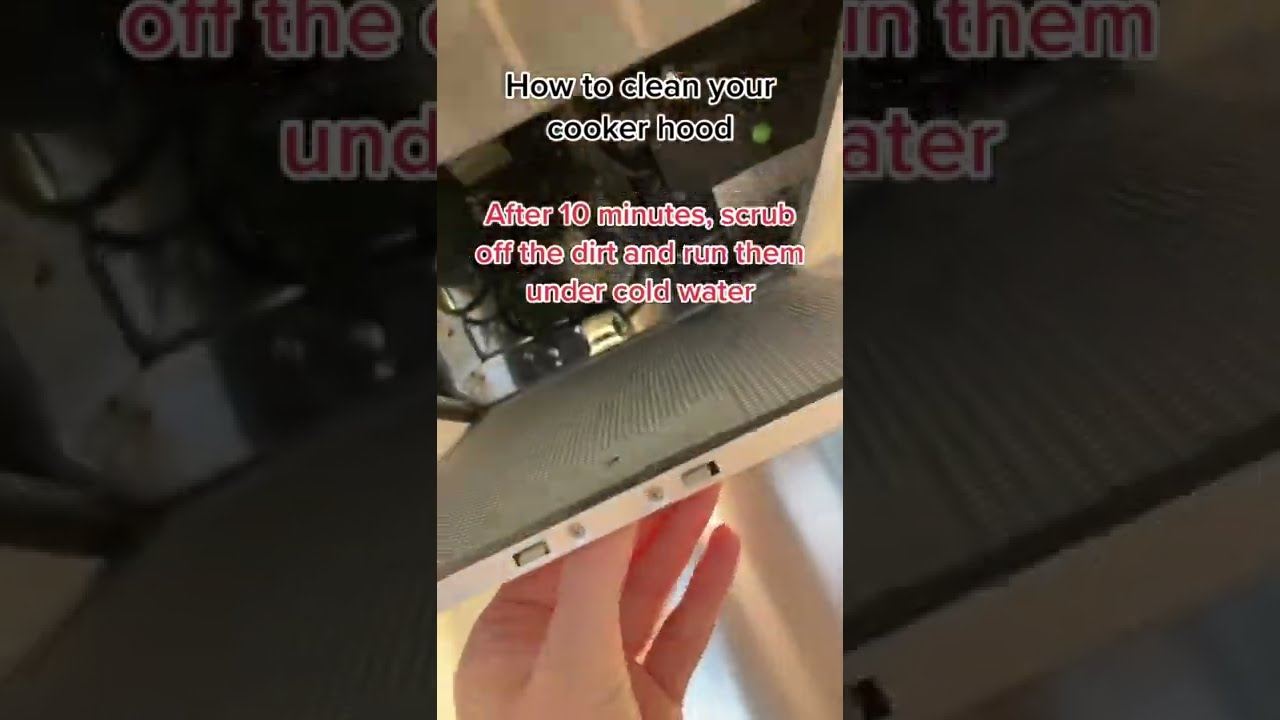
- Preventive Cleaning (The Schedule): This is the routine, pre-scheduled deep clean performed by certified professionals. This is the answer to what is the proper frequency for commercial kitchen filter cleaning?—it's usually dictated by the vendor, but often falls between quarterly to semi-annually, depending on the variables mentioned above. This deep clean removes the heavy, baked-on grease and scale. Reactive Cleaning (The Quick Fix): This involves spot cleaning or light degreasing performed by kitchen staff daily or weekly. This prevents minor buildup from escalating into a major hazard.
A good maintenance plan should also include regular checks of the exhaust fan motors, ductwork, and grease traps. Never treat filter cleaning in isolation; it is part of a holistic system audit.
Keeping Your Culinary Engine Running Smoothly
Maintaining a spotless ventilation system is more than just a checkmark on an inspection sheet; it is an investment in your staff's safety, your equipment's longevity, and your reputation.
HygieneXperts - Commercial & Residential Cleaning Services
12C Tungarra Rd Girraween NSW 2145 Australia,
61498203983
HygieneXperts - Commercial & Residential Cleaning Services
12C Tungarra Rd Girraween NSW 2145 Australia,
61498203983